Unique Code
Each participating package receives its own unique authentication code that can be checked against the KAMA verification system.

KAMA products and packaging have been copied by unauthorized parties.
To provide customers with another way to check KAMA products, we introduced  on new participating SKUs.
Each package carries a unique authentication code. No two authentication codes issued for individual packages are the same.
Scan the QR code or enter the authentication code at VerifyKAMA.com to check the code against our records and review available product and laboratory information.
seal?
The system is being introduced on new participating KAMA SKUs. Some legitimate KAMA products already in the market were produced before was introduced and may not carry the seal.
For individuals aged 21 and older.
Everything you need to verify your KAMA products and access its laboratory information, all in one place
The reason behind the program
ExistsPackaging can be copied. A printed logo, warning, address, barcode, or package design alone does not provide a way to check whether an authentication code was actually issued by KAMA.
adds another layer of verification.
One package · One code
Each individual package enrolled in is assigned its own unique authentication code.
Each participating package receives its own unique authentication code that can be checked against the KAMA verification system.
Enter or scan the OR scode to check it against the information maintained in the KAMA verification system.
Access available laboratory reports associated with the applicable product and production batch.
How to verify
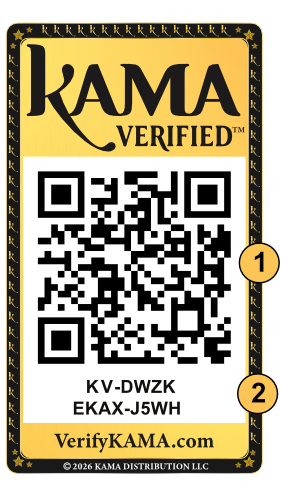
SealLook for the seal on your package. Your unique authentication code is printed directly beneath the QR code.
Scan the QR code or enter the authentication code at VerifyKAMA.com. Always make sure you are on VerifyKAMA.com before submitting a code.
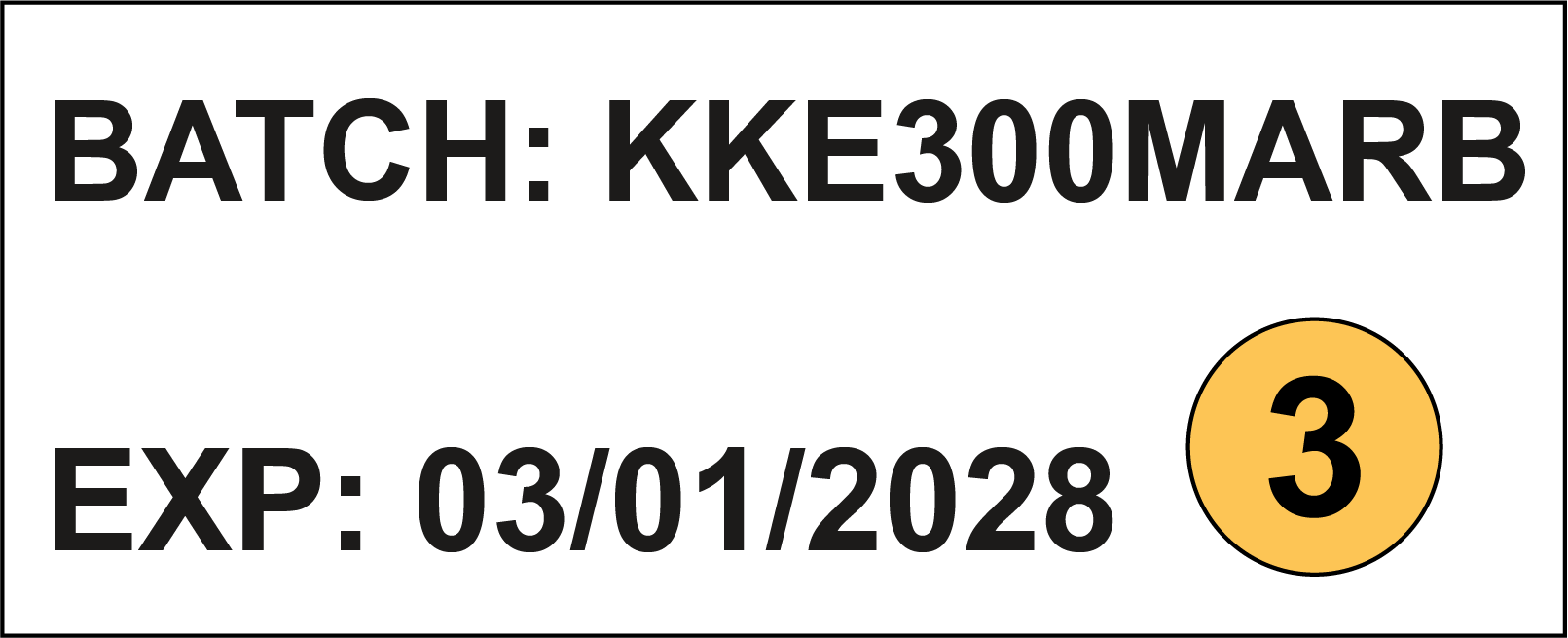
Compare the product and batch information returned by the system with the information printed on your package.
When available, open the laboratory report associated with the applicable product and production batch.
If something does not match, Report a Concern.
What should I check?
A recognized code is important, but you should also compare the information returned by VerifyKAMA with the product in your possession.
Don’t see the seal?
is being introduced on new participating KAMA SKUs.
Some legitimate KAMA products currently in circulation were manufactured or packaged before the verification system was introduced and therefore may not have a seal or authentication code.
The absence of a seal alone does not mean an older product is counterfeit.
If you have questions about a product without a seal, contact us and provide photographs of the package and its identifying information.
Common questions
 ?
?Find help with participating packages, older inventory, codes, and reports.
is being introduced on new participating SKUs. Some legitimate products already in circulation were produced before the system was introduced and may not carry a verification code.
Check that you entered the complete code exactly as printed. If it still isn’t recognized, report the issue and include a clear photograph
of the seal and packaging.
No. Each individual package enrolled in is assigned its own unique authentication code. Two participating packages should not display the same code.
Do not rely on the code result alone. Report the discrepancy to KAMA and provide photographs of the product and packaging.
Use Lab Reports or access the report associated with your verified product when available. Always compare the applicable product and batch information.
Something does not match?
Email the product name, batch ID, clear packaging photos, and authentication code if present. Include where you purchased it. Please do not send payment information or government identification.